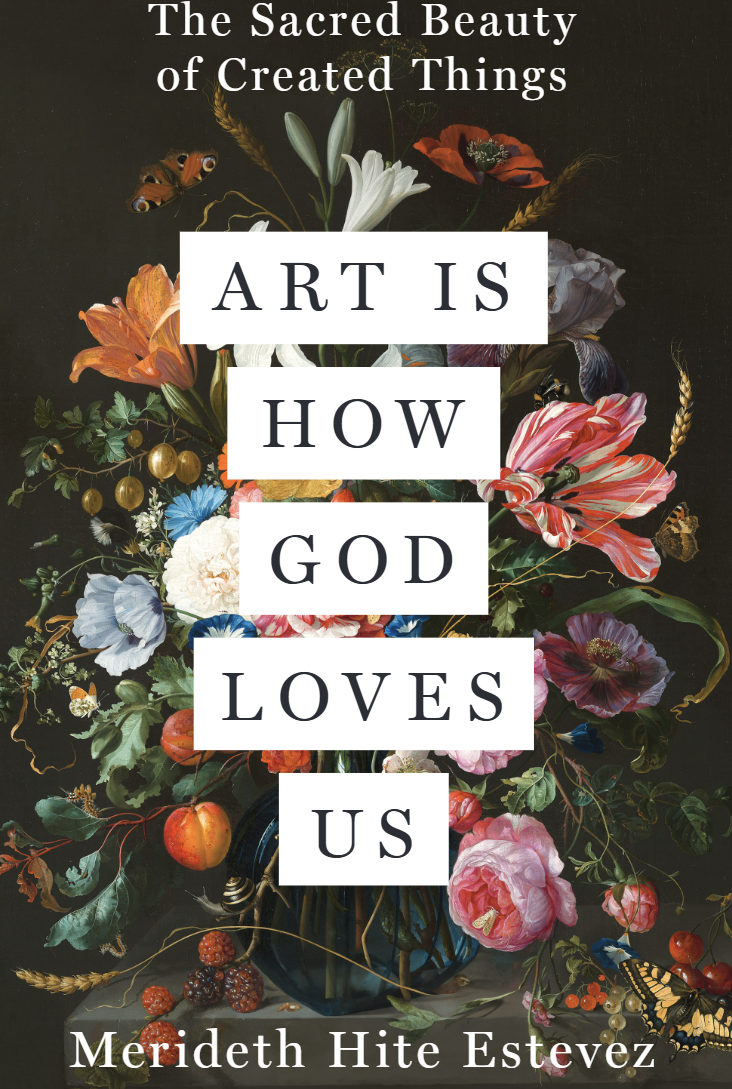
Art Is How God Loves Us: The Sacred Beauty of Created Things by Merideth Hite Estevez
Some books don’t just speak—they resonate. Art Is How God Loves Us is one of those rare works that feels less like reading and more like being gently ushered into a deeper way of seeing. Merideth Hite Estevez, with her background as a Juilliard‑trained oboist, writer, and creative coach, brings a unique blend of artistry and spiritual sensitivity to every page. From the opening chapters, you sense that this isn’t simply a book about art; it’s a book about encounter—about the ways beauty, brokenness, and creativity become places where God meets us.
Estevez writes with a voice that is both lyrical and grounded. She moves effortlessly between stories of music, visual art, nature, and the chaos of everyday life, showing how each can become a doorway into divine presence. Whether she’s standing before van Gogh’s olive trees or listening to Brahms in a moment of doubt, she reveals how art can stir something holy within us—a longing, a recognition, a reminder that we are seen and loved. Her reflections feel deeply personal, yet they open outward, inviting the reader to notice the sacred in their own surroundings.
One of the most compelling ideas Estevez offers is her redefinition of art as “Atoms Responding to Transcendence.” It’s a phrase that lingers. It frees art from the narrow confines of talent or performance and reframes it as a response—a way of participating in God’s ongoing creation. In her hands, creativity becomes communion. It becomes a way God speaks, heals, and draws us closer, whether we are seasoned artists or simply people who pause long enough to appreciate beauty.
What makes the book especially rich is Estevez’s honesty. She doesn’t shy away from brokenness—her own or the world’s. Instead, she shows how cracks can become openings, how doubt can become a place of listening, how the messiness of parenting or the ache of long‑suffering can become unexpected canvases for grace. Her writing is tender without being sentimental, poetic without losing clarity. You feel as though you’re being guided by someone who has lived what she’s teaching.
The reflective exercises (“Ars Nova”) scattered throughout the book are thoughtful invitations rather than assignments. They encourage readers to slow down, pay attention, and engage creatively with their own lives. The study guide and creative creed at the end make the book ideal for groups or for personal spiritual practice. It’s the kind of resource that doesn’t just inspire—it forms habits of noticing, receiving, and responding.
The advance praise woven into the book’s description captures its essence well. Estevez’s work rekindles spiritual imagination, offers healing threads to weary hearts, and provides a long‑needed exhale for those burdened by achievement or perfectionism. But reading the book yourself makes those endorsements feel understated. There’s a quiet radiance to her writing that’s hard to summarise. It’s a book that awakens wonder.
For anyone longing to reconnect with joy, beauty, and divine presence, Art Is How God Loves Us is a luminous companion. It reminds us that our lives—unfinished, beloved, and held—are works of art in the hands of a Creator who never stops creating. And it invites us, gently and persistently, to live as God’s art in the world.