Treasure in the Pines by Emily Emmons
After reading heavier material lately, Treasure in the Pines by Emily Emmons felt like a breath of fresh forest air. It’s the kind of story that reminds you—quietly, gently—that wonder is still possible, especially when you slow down long enough to notice it. Penelope’s discovery of a locked cash box at her grandparents’ cabin sets the story in motion, but the real treasure isn’t hidden inside metal and hinges. It’s hidden in the land itself, in the small adventures that unfold when a family chooses to explore rather than rush.
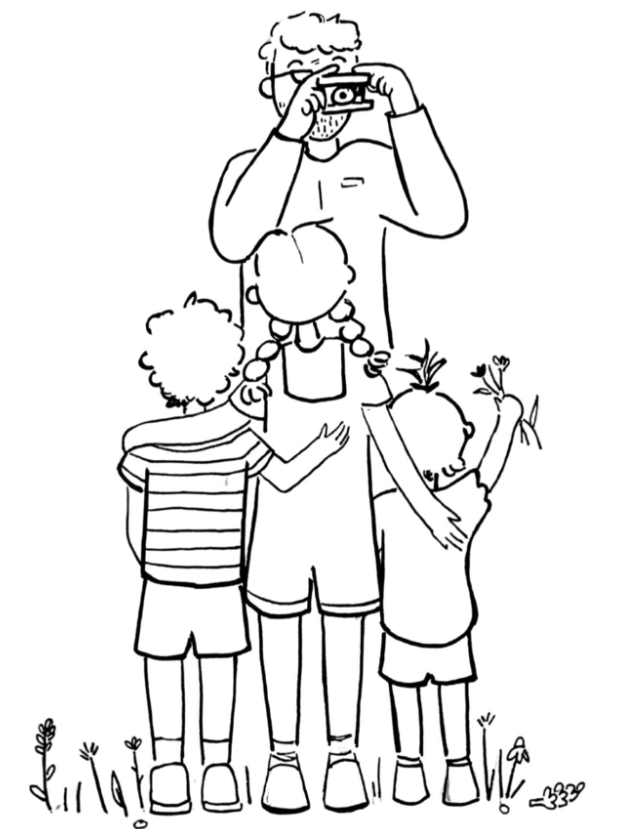
What I loved most is how Penelope’s papa responds to her discovery. Instead of handing her a key, he gives her a challenge: draw a map that tells the full story of the land. It’s such a beautiful invitation, one that shifts the focus from getting to the prize to paying attention along the way. As Penelope and her family wander through the woods, snapping photos, noticing details, and stumbling into tiny but memorable adventures, the book quietly models something many of us forget—curiosity is a form of presence.
There’s a sweetness to the pacing that feels intentional. The story doesn’t hurry. It doesn’t try to dazzle with spectacle. Instead, it celebrates the kind of magic that children are naturally good at seeing: the shape of a tree that looks like a creature, the way sunlight hits a clearing, the thrill of finding something unexpected under a rock. Penelope’s journey becomes a gentle reminder that the world is full of treasures when we’re willing to look up from our routines.
The family dynamic is another strength. There’s warmth, humour, and a sense of togetherness woven through every page. The adventures they share aren’t grand, but they’re meaningful—little moments that accumulate into memories. It’s the kind of story that makes you want to put on your shoes, step outside, and see what’s waiting just beyond the familiar path.
One of the loveliest touches is the set of activity pages at the end. They invite families to capture their own adventures, to map their own landscapes, to notice their own treasures. It turns the book from a story into an experience, something that can spill out into a weekend walk or a holiday visit to grandparents. It’s a quiet nudge toward connection—both with nature and with each other.
If you’re looking for a book that encourages children (and adults) to slow down, explore, and find joy in the journey rather than the destination, Treasure in the Pines is a delightful choice. It’s gentle, imaginative, and grounded in the kind of wisdom that feels both timeless and timely. A lovely reminder that sometimes the real treasure is simply paying attention.
 I write about Stuff