1 Corinthians 13:1–7
Love is one of those words we use so often that we can forget how demanding it actually is.
We love people.
We love places.
We love songs.
We love coffee.
We love a particular television programme, a favourite meal, a view, a book.
And then Paul comes along and rather inconveniently tells us what love looks like.
It is patient.
Oh.
It is kind.
Fine so far.
It does not envy. It does not boast. It is not proud. It doesn’t dishonour others. It isn’t self-seeking. It isn’t easily angered. It keeps no record of wrongs.
By now, I’m beginning to wish Paul had stopped at kind.
Because this isn’t sentimental love.
This is love with its sleeves rolled up.
We often hear 1 Corinthians 13 at weddings, and understandably so. They are beautiful words.
But Paul wasn’t writing a romantic poem for a wedding ceremony. He was writing to a community of people who were struggling to live well together.
People with different personalities.
Different opinions.
Different gifts.
Different ideas about what mattered.
In other words, people.
And perhaps that is precisely where love becomes real.
It is relatively easy to love people in theory.
Actual people are considerably more complicated.
Actual people interrupt us.
They disappoint us.
They say the wrong thing.
They don’t notice all the things we’ve done.
They take too long.
They misunderstand.
So do we.
And into all that ordinary human mess, Paul says:
Love is patient. Love is kind.
Notice that he doesn’t spend much time telling us how love feels.
He tells us what love does.
That changes things.
I might not be able to manufacture warm feelings towards everyone I encounter today.
But I can choose patience.
I can choose kindness.
I can refuse to keep score.
I can listen.
I can hold my tongue.
I can make room.
I can encourage.
I can forgive.
I can turn up.
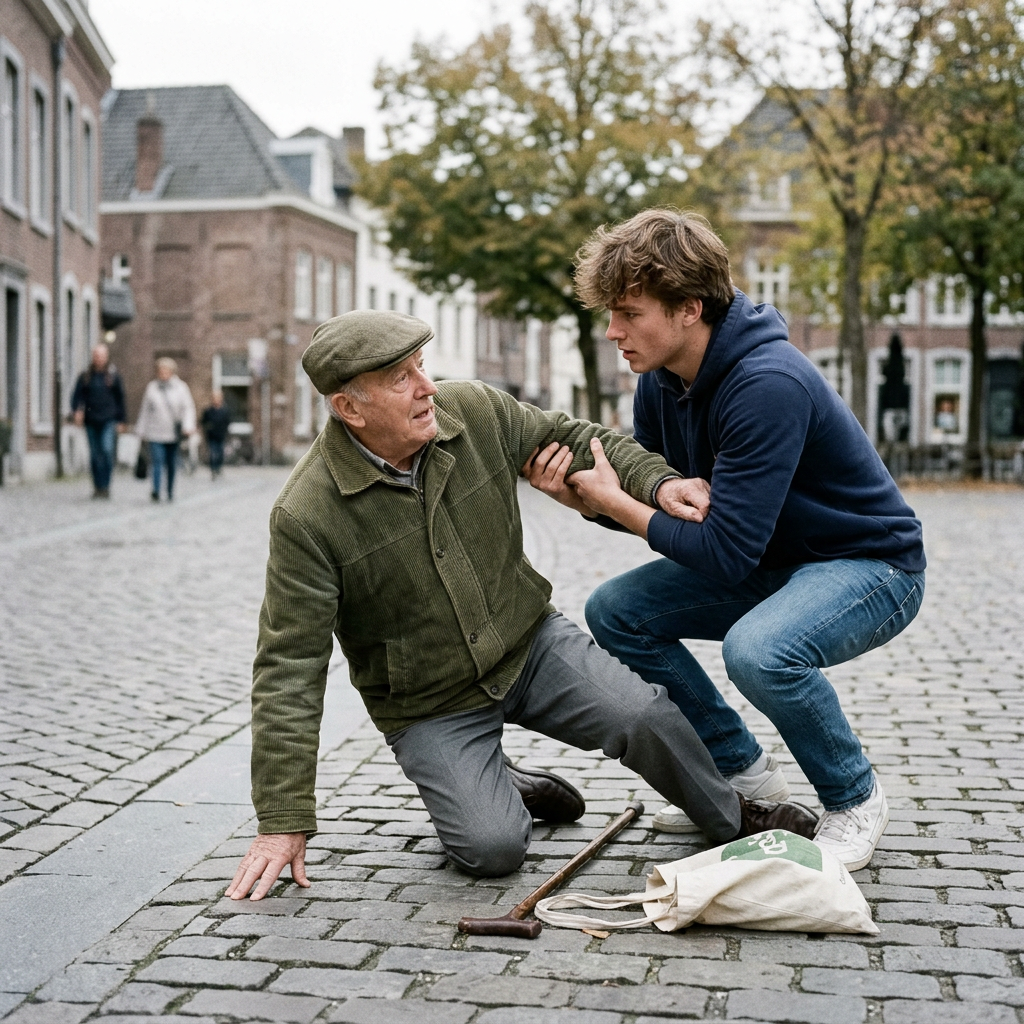
Sometimes love looks remarkably ordinary.
It’s making the cup of tea.
Sending the message.
Letting somebody else speak.
Remembering the person who might otherwise be forgotten.
It’s asking, “How are you?” and then staying long enough to hear the real answer.
Love isn’t always spectacular.
Very often it is simply faithful.
And perhaps there is another challenge here.
Paul begins this chapter by saying that we can do impressive things and still miss love entirely.
We can speak beautifully.
We can know an enormous amount.
We can possess great faith.
We can even be extraordinarily generous.
And yet without love something fundamental is missing.
That’s worth sitting with.
Because it is perfectly possible to do the right thing for the wrong reason.
To serve while resenting.
To give while wanting recognition.
To help while secretly feeling superior.
Love asks something deeper.
Not merely:
What am I doing?
But:
How am I doing it?
Perhaps today we don’t need to do anything enormous.
Perhaps we simply choose one of Paul’s descriptions and practise it.
Patience.
Kindness.
Not keeping score.
Protecting.
Trusting.
Hoping.
Persevering.
Pick one.
And let love become a verb.
A question to carry
If love became something I did today, rather than simply something I felt, what would it look like?
A simple practice
Choose one person today and deliberately show them love in a practical way.
Don’t announce it.
Just do it.
Prayer
God of love,
thank you that your love
is more than words.
Teach me to love like that.
Make me patient when I want to hurry,
kind when irritation comes more easily,
generous when I want my own way.
Let the love I speak about
become the love I live.
Amen.
For today: Practice love.
Leave a Reply