“But Jesus said to Peter, ‘Put your sword back into its sheath. Shall I not drink from the cup of suffering the Father has given me?’” —John 18:11
John 18 — When the One in Chains Is the One in Control
John’s account of Jesus’ arrest is striking in its simplicity. By the time he wrote his Gospel, decades had passed. Matthew, Mark, and Luke had already recorded the details of Gethsemane, the betrayal, and the trials that followed. Everyone knew the story. John didn’t need to repeat every moment — instead, he focused on what mattered most: Jesus’ authority, His obedience, and the heartbreaking failure of a friend.
The armed soldiers who arrived to arrest Jesus revealed just how deeply His enemies misunderstood Him. For years they had plotted against Him, imagining Him as a political threat, a revolutionary, a man hungry for power. Yet Jesus had refused every attempt to make Him king. He had no interest in rebellion. He wasn’t hiding. He taught openly in the temple — right under their noses. They could have arrested Him at any time.
But they couldn’t touch Him until the Father’s appointed moment. And now, in the garden, that moment had come.
Even in the chaos, Jesus remained completely in control. As the soldiers approached, He stepped forward, identifying Himself so that His disciples would be protected. He wasn’t cornered. He wasn’t overpowered. He surrendered because He chose to — because this was the path that would lead to salvation.
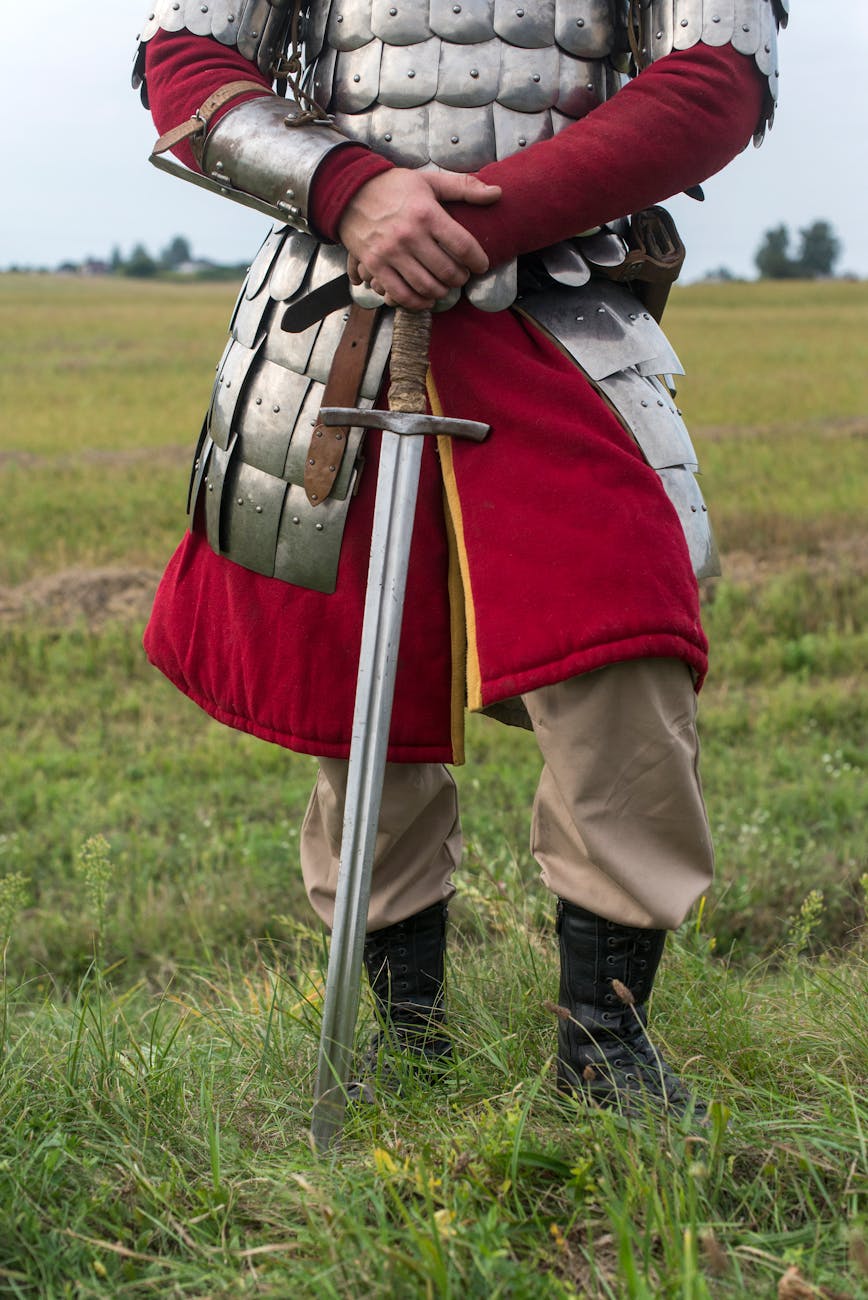
And then Peter, dear impulsive Peter, misread everything. With a burst of misguided courage, he drew his sword and swung wildly, slicing off the ear of an unarmed servant. It was bravery, but it was the wrong kind. Jesus immediately corrected him: “Put your sword away. Shall I not drink the cup the Father has given me?”
In Matthew’s account, Jesus adds that He could summon thousands of angels with a single request. But He didn’t. He willingly embraced the cup of suffering because it was the Father’s plan — the only way to redeem the world.
From there, the injustice only deepened. The trials were a formality. The verdict had been decided long before the arrest.
Caiaphas, the high priest, had already argued that Jesus must die “for the people,” not out of spiritual insight but out of political fear — fear that Rome would crush their religious system if Jesus’ influence grew any further.
John, who personally knew the high priest, followed Jesus into the courtyard. Peter followed too, but only because John persuaded the gatekeeper to let him in. And there, in the flickering firelight, Peter faced the moment Jesus had warned him about.
“You’re not one of His disciples, are you?” “I am not.”
Two more questions. Two more denials. Three in total — exactly as Jesus had said.
Peter’s courage collapsed under pressure. His love was real, but his fear was louder. And yet, even this failure would become part of his redemption story.
 I write about Stuff